
Must-Have Safety Measures for Bathrooms
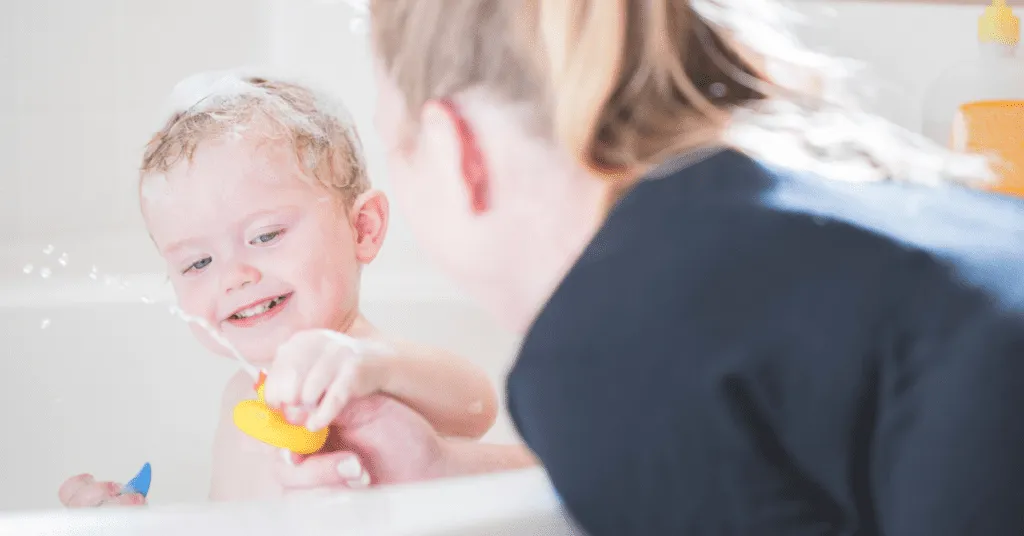
Bathrooms are essential parts of any home, yet they pose numerous safety risks, especially for families with young children. Hazards such as slippery surfaces, hot water, sharp objects, and accessible chemicals can lead to injuries. Thankfully, with careful planning and the implementation of effective safety measures, these risks can be greatly reduced, creating a safer environment for your family.
Preventing Slips and Falls
Slips and falls are among the most common bathroom injuries. To prevent these:
Non-Slip Mats
Use non-slip mats or numerous adhesive decals in bathtubs, showers, and on bathroom floors.
Grab Bars
Install sturdy grab bars near the bathtub, shower, and toilet areas to provide stability. Non-slip surfaces and grab bars are particularly beneficial for toddlers who are still mastering their balance while learning to walk.
Regular Cleaning
Keep floors dry and clean up spills immediately to avoid accidental falls.
Non-Slip Treatment
Floor, shower and bathtubs should be treated with Anti-slip treatments
Managing Water Temperature
Hot water can cause severe burns, especially for young children. Essential measures include:
Adjust Water Heater
Set your home’s water heater to a safe maximum temperature of 120°F (49°C).
Check Water Temperature
Always test bathwater with your elbow or wrist before bathing your child.
Anti-Scald Devices
Install anti-scald devices on faucets to maintain safe water temperatures.
Burn risks don’t stop at the bathroom—use these kitchen tips to prevent burns and cuts around hot surfaces and sharp tools.
Securing Hazardous Items
Bathrooms often contain products hazardous to children. Take these precautions:
Childproof Cabinets
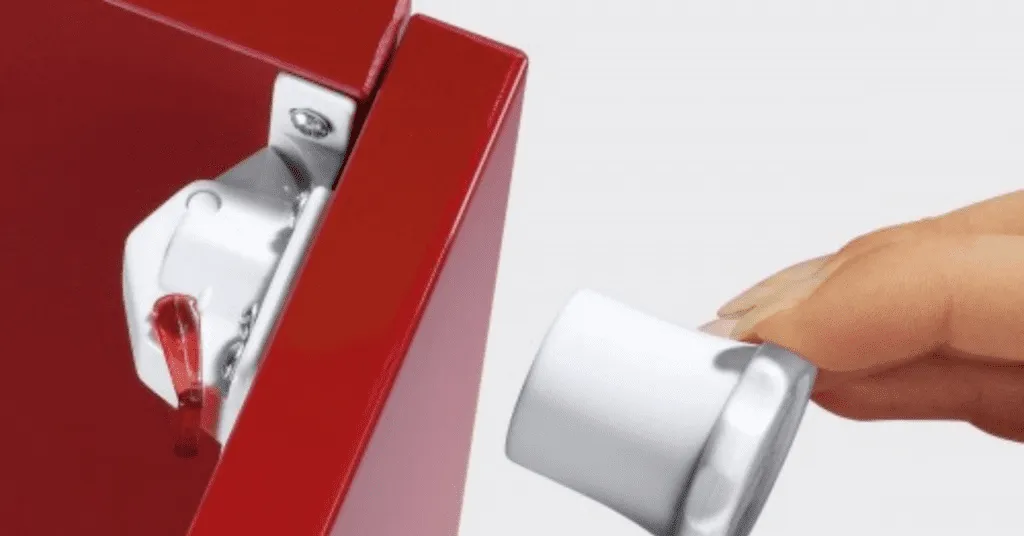
Secure medicines, cleaning agents, and sharp objects in locked cabinets. For more guidance on safe storage techniques, explore our tips on how to safely store hazardous chemicals and cleaning products.
Electrical Safety
Keep electrical appliances such as hairdryers and razors unplugged and stored safely away from water and children’s reach. Be mindful of any corded blinds or electrical cords near the bathroom, as these can introduce strangulation hazards if not properly managed. Child safety locks are highly recommended in bathrooms.
To catch oversights like plugged‑in dryers and loose cords, read common childproofing mistakes and fixes.
Preventing Drowning Risks
Drowning hazards in bathrooms are serious and require vigilant attention:
Constant Supervision
Never leave children unattended during bath time.
Immediate Drainage
Always drain bathtubs right after use to remove drowning risks.
Toilet Locks
Install childproof toilet seat locks to prevent toddlers from accessing toilet water.
Restricting Bathroom Access
Limiting unsupervised bathroom access helps minimize risks:
Door Locks and Covers
Use childproof door locks or knob covers to prevent unsupervised entry.
Here’s when to start childproofing your home so barriers and locks are in place before your child is mobile.
Baby Gates
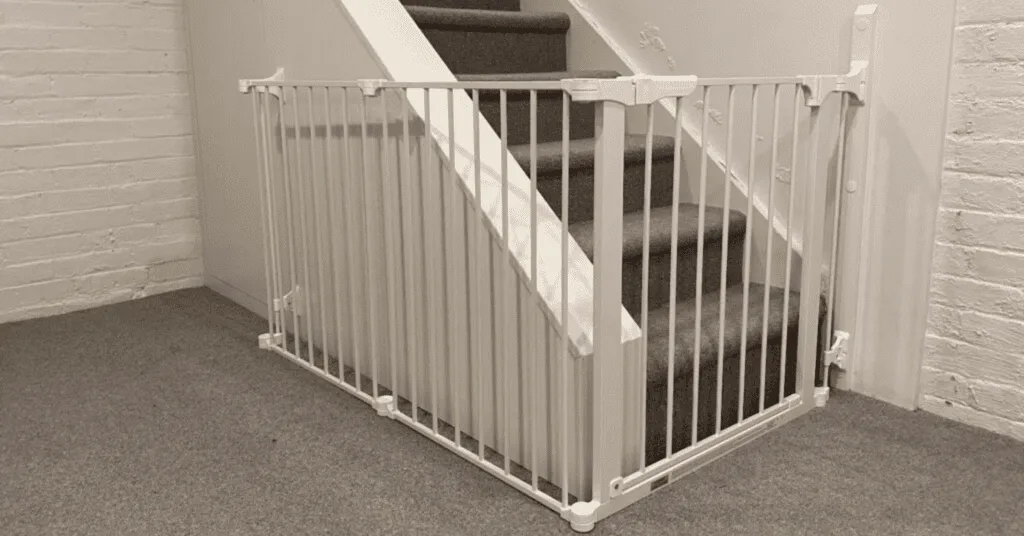
Employ baby gates to restrict access to bathroom areas, especially for curious toddlers. Bathrooms can be especially hazardous for crawling babies who are exploring their environment—extra precautions should be taken to restrict their access.
See how to choose the best safety gates for stairs and doorways.
Hiring Kiddie Proofers
While parents can implement many safety measures independently, professional guidance from Kiddie Proofers ensures maximum security and peace of mind. We are the leading expert in home childproofing with over 35 years of experience, providing specialized services tailored to your needs:
Comprehensive Safety Assessments
Identify and address potential hazards specific to your bathroom and home.
Professional Installation
Ensure safety devices are correctly installed, from cabinet locks and toilet seat locks to anti-slip treatments.
Customized Solutions
Receive personalized recommendations and installations to ensure every area of your home, especially bathrooms, is thoroughly childproofed. Although more relevant in living and bedroom spaces, preventing furniture tip-overs is another important aspect of childproofing your entire home.
Final Thoughts

Creating a safe bathroom environment is essential in preventing injuries and accidents involving young children. By proactively implementing these must-have safety measures and seeking professional assistance from trusted providers like Kiddie Proofers, parents can ensure greater safety, peace of mind, and a secure home environment for their entire family.
For a broader check beyond the bathroom, use the infant safety checklist for 6–12 months to cover the rest of the home.
At Kiddie Proofers, our mission as your go-to childproofing company is to help families create safer homes before accidents happen—we want our clients to be proactive, not reactive. If you’re ready to take the next step in protecting your loved ones, let our experts guide you with professional childproofing solutions tailored to your home. Visit Kiddie Proofers to schedule your in-home assessment and give your family the safety and peace of mind they deserve.